
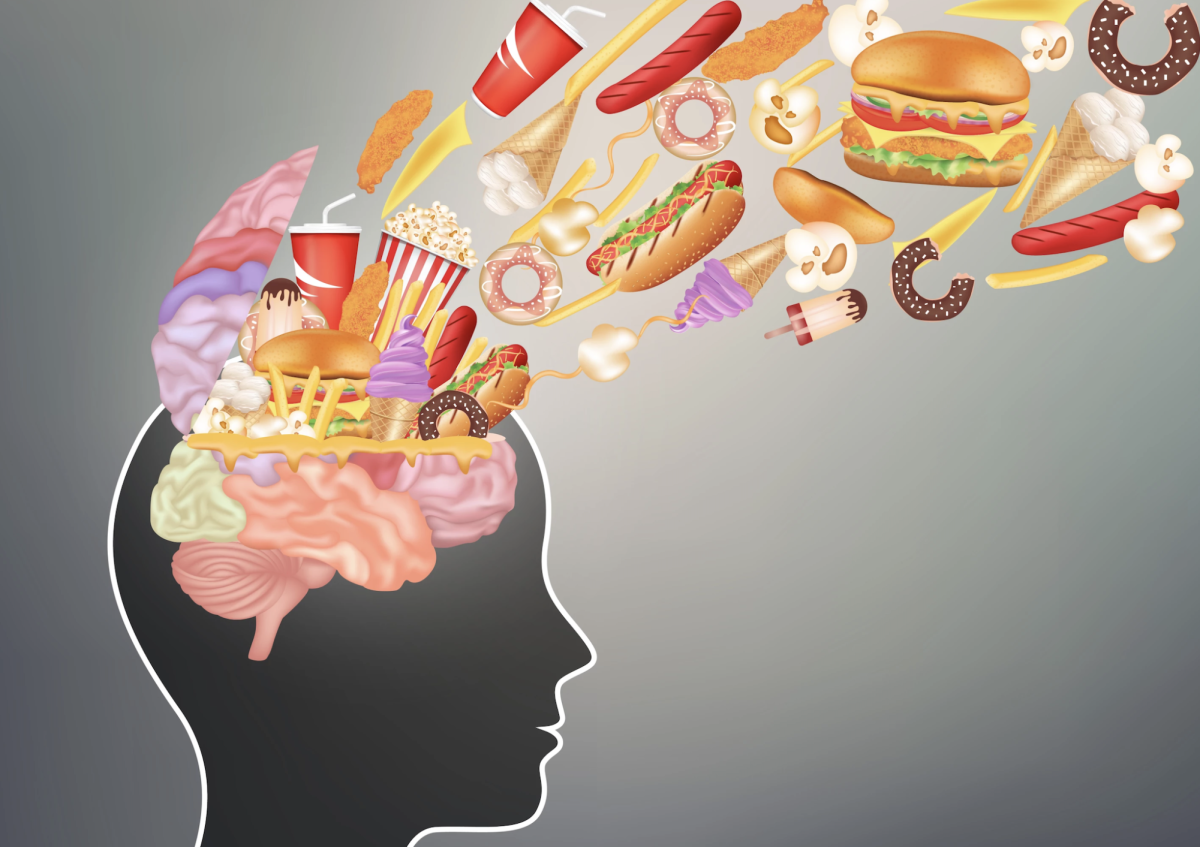
We’ve long known that junk food isn’t great for our bodies. The consumption of
junk food has a wide array of negative effects, from increasing the risk of developing type 2 diabetes to even causing liver or kidney failure. Despite knowing the consequences of consuming it, most people feel comfortable eating junk food regularly. Many people, myself included, have experienced the feeling of knowing a food is bad for them, but pushing those worries away and forgetting about them. However, this pattern of ignoring the detrimental effects of junk food can no longer continue, as recent research has shown that a high-fat diet can interfere with neurological processes in as little as four days.
Led by neuroscientists Juan Song, PhD, and Taylor Landry, PhD, researchers at the UNC School of Medicine performed a study that showed the effects of junk food on the hippocampus, a region of the brain that is essential for storing and processing memories. The details and results of the study were published in Neuron, a leading peer-reviewed journal focusing on all aspects of neuroscience, on September 11, 2025.
The study utilized mouse models to reflect the effects of junk food on humans. Mice have long been used in neuroscience research to model human responses due to their brains’ structural similarities to human brains, as well as their flexibility. The mice in the study were fed a high-fat diet, or HFD, for 4 days before the effects were observed. The high-fat diet given to them mimicked a typical Western junk food diet (like burgers and fries). After 4 days, the researchers observed that consuming food rich in saturated fat interfered with the brain’s ability to receive and use glucose. Due to this, a group of neurons in the hippocampus, called CCK interneurons, became hyperactive. This overactivity disrupted the hippocampus’s function of processing memories. Researchers also found that PKM2, a protein responsible for controlling energy use in the brain, plays a role in the results that were found. However, thankfully, changes in the diet to stabilize glucose levels decreased overactivity and restored the mice’s memory.
The results of this study suggest that junk food has detrimental effects on the brain, scrambling memory processing functions in only 4 days. Furthermore, researchers now have reason to believe that the consumption of junk food can make one more susceptible to developing neurodegenerative diseases, particularly those tied to obesity. On a more positive note, the discoveries made through this experiment suggest that targeted therapies involving changes in diet could offer protection against neurodegenerative effects and even strengthen the memory. Overall, the results clearly show that our diet plays a large role in not only our looks, but in our brains as well.
https://hms.harvard.edu/news/case-female-mice-neuroscience-research